
Why Early Action on Diabetes Matters
- Category: Diabetes & Nutrition
- Posted On:
- Written By: St. John's Health

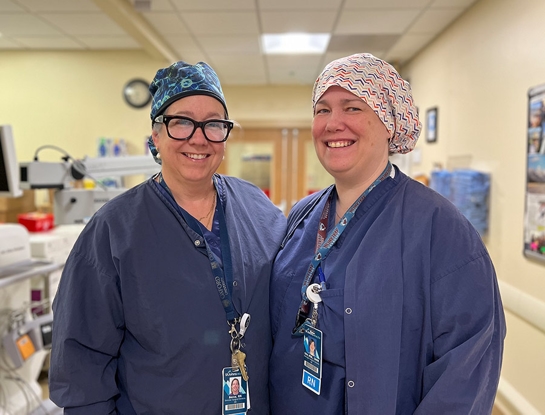
(Pictured left to right: Susi Schek, RN, CDCES and team member Sarah Peterson, RD, LD)
November is Diabetes Awareness Month, an annual initiative focused on raising awareness, promoting education, and improving outcomes for people with diabetes.
This year’s theme, “Early Action on Diabetes,” highlights the importance of early detection, screening, and lifestyle changes in preventing and managing diabetes.
To learn more, we spoke with Susi Schenk, RN, Care Coordinator & Diabetes Care and Education Specialist at St. John’s Health about why early action matters and how small steps can make a big difference.
What makes early action on diabetes so important?
“Small changes made early can have a significant impact on long-term health and quality of life,” says Schenk.
Prediabetes and type 2 diabetes can develop slowly, often without any noticeable symptoms. That means people might have elevated blood sugar levels for years without realizing it.
“The earlier we identify changes in blood glucose levels, the greater the opportunity to prevent or delay type 2 diabetes and reduce the risk of complications.”
Early detection gives people an opportunity to make meaningful improvements through practical lifestyle changes, including:
- Getting more exercise
- Eating a healthy diet
- Managing weight
- Reducing stress
- Getting better sleep
For those already living with diabetes, earlier intervention can help improve health and reduce the risk of heart, kidney, eye, and nerve complications.
What gets in the way of people taking early action?
“One of the biggest barriers is that prediabetes and early diabetes often have no obvious symptoms. Many people feel healthy and don’t realize their blood sugar levels are elevated. Because they don’t feel sick, screening and follow-up may not seem urgent,” says Schenk.
Schenk says fear can also play a role for some.
“Some people worry about what they might learn or assume a diagnosis means they have failed in some way. Others may feel overwhelmed by conflicting health information or believe that developing diabetes is inevitable because it runs in their family.”
For Schenk, overcoming these barriers comes down to the power of knowledge. “Having the right information, support, and resources can help people take realistic and manageable steps toward better health.”
What do you wish more people understood about diabetes and prediabetes?
“I wish more people understood that a diagnosis of prediabetes or diabetes is not a life sentence,” says Schenk. “It is an opportunity to take action before more serious health problems develop.”
While some might worry about the need to overhaul their lifestyle, Schenk emphasizes that managing diabetes doesn’t have to be all or nothing.
“Diabetes management isn’t about being perfect. It’s about making consistent choices that support overall health. Even modest improvements in nutrition, physical activity, or weight can lead to meaningful improvements in blood sugar control.”
You don’t have to manage diabetes alone
Whether you’re concerned about your risk of developing diabetes or already managing a diagnosis, the team at St. John’s Health is available to help you navigate your next steps.
“Most importantly, I want people to know that they do not have to manage diabetes alone. Healthcare providers, diabetes educators, registered dietitians, and support programs are available to help patients develop a plan that fits their individual needs and lifestyle.”
Thinking about diabetes screening?
St. John’s Health is offering free diabetes screening through November.
If you are 45+ and have any of the following risk factors, call 307.733.7222 for a free 15-minute appointment:
- Family history of diabetes
- Being overweight
- Not regularly active
- Low HDL cholesterol and/or high triglycerides
- High blood pressure
- History of gestational diabetes

.1).jpg)